Challenge coins and tokens: when the object needs a second life
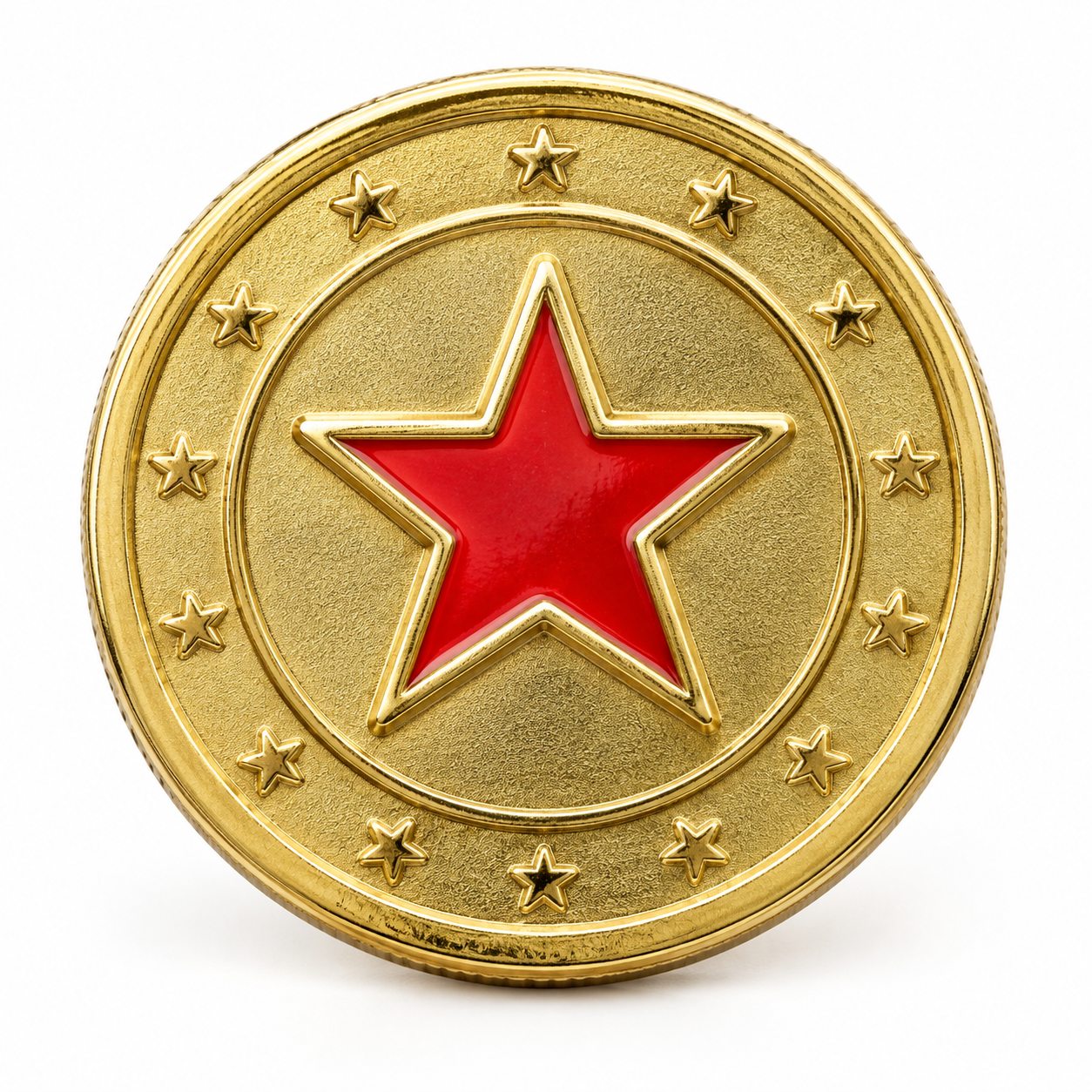
A coin’s meaning comes from the handover
A challenge coin is often handed over once, but its meaning is built from the story around that handover. A team milestone, a service tradition or a private recognition program can all use the same compact format. The important question is what the receiver should understand before they read every word on the face.
A token has to work in the hand
Tokens have a different pressure: they need to work in the hand. If a token grants entry, unlocks a reward or moves between rounds of a game, its edge, weight, finish and quantity all matter. A simple face mark can make repeated use intuitive, while a reverse side can carry the rule, value or series number.
Bring operations into the design conversation
This is where the design conversation needs to include operations. How will the piece be distributed? Will it be counted, exchanged, collected or worn? Does it need to fit a tray, pouch or machine? These practical details often improve the design because they turn a decorative object into a clear part of the experience.
Start with the second life
The best coin or token has a life beyond the product photograph. It is recognized quickly, feels deliberate in the hand and gives the owner a reason to keep it moving through the next interaction. Start with that second life, then let the metal, color and mark make it memorable.
In short
Some metal pieces are keepsakes. Others are designed to move through a venue, a loyalty program or a game. The brief changes when the object has a job after the first handover.